
If you were a teen in that iconic decade, you know that your bedroom was everything. It was your personal hideaway, your …

If you were a teen in that iconic decade, you know that your bedroom was everything. It was your personal hideaway, your creative studio, and your most prized backdrop for angsty mirror selfies.
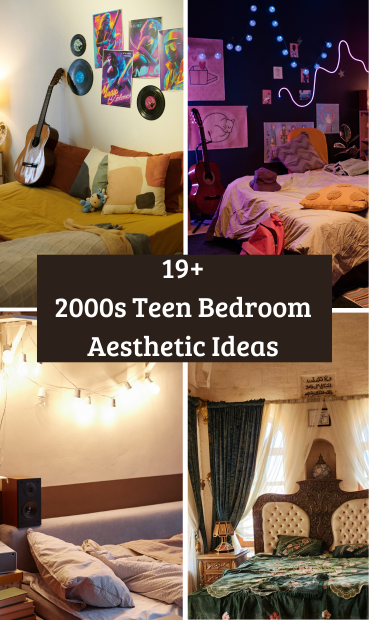
Fast forward to today, and the 2000s aesthetic is back in full swing, giving us all the nostalgia we didn’t know we needed. If you’re looking to recreate that carefree magic or want to take a walk down memory lane, we’ve rounded up 20 2000s teen bedroom aesthetic ideas to inspire your inner millennial (or Gen Z trendsetter).
A pop princess bedroom channeled the energy of early Britney Spears, Christina Aguilera, and Hilary Duff. Think soft pastel walls, glitter accents, and lots of hearts, stars, and butterflies. Your bed might have a ruffled comforter, and your vanity area would be filled with lip glosses, body sprays, and maybe a pink hairbrush you treated like a prop in your own music video. The whole room felt like you were living in a Teen Nick commercial.
This aesthetic makes sense because the 2000s heavily glorified pop culture and teen girlhood in bright, sparkly ways. If you grew up loving bubblegum pop, this room let you externalize that feeling—turning your personal space into a place where you could sing along to “Oops!... I Did It Again” while twirling around in low-rise jeans. It permitted you to lean unapologetically into “girly” joy, at a time when pop stars were shaping so many of our identities.
An emo or pop-punk bedroom was like a safe, dimly lit refuge from the rest of the world. Dark-colored walls or dark bedding, band posters (My Chemical Romance, Paramore, Taking Back Sunday), Sharpie doodles, and scattered notebooks filled with lyrics and poetry defined this space. You might have worn studded belts and Chucks, and your room matched that exact vibe: moody, expressive, and just a little chaotic.
This aesthetic makes sense because the 2000s were peak emo/pop-punk culture, and for many teens, music was how they processed big feelings. Designing your room like this felt like claiming ownership of your emotions. It was a way to say, “I feel deeply, and my room is going to reflect that.” Your walls became your emotional sounding board, and crawling into a dark, cozy bed while listening to an angsty album front to back felt like therapy.
A Y2K tech-lover bedroom revolved around gadgets and a futuristic look. Metallic accents, clear or plastic furniture, an old desktop computer, maybe a bulky monitor, plus your prized flip phone or Sidekick resting on the nightstand. You might have had a silver or blue color scheme, inspired by the “future” vibe of early tech marketing. Screens and cables were part of the aesthetic, not something to hide.
This kind of bedroom made sense in a world that was obsessed with “the future” and the Millennium. Technology felt thrilling and new, and teens who were early adopters wanted their bedroom to feel like a mini command center. It gave you a sense of control and independence—you had your computer, your music, your chats, all in one place. The aesthetic embodied the excitement of being the first generation to grow up online truly.
A boho teen bedroom featured rich fabrics, layered textiles, lanterns, bead curtains, and a slightly messy, artistic layout. Colors leaned toward warm oranges, reds, purples, and earthy tones. You might have had a floor cushion corner, incense or scented candles (if your parents allowed it), and maybe a low table with your sketchbooks or journals. It felt less like a “kid’s room” and more like a creative haven.
This style makes sense because the 2000s saw a big rise in boho fashion and décor, especially through brands and magazines that pushed eclectic, artsy vibes. Teens who chose this aesthetic were often those craving individuality beyond mainstream pop culture. The offbeat, world-travel-inspired look said, “I’m a free spirit.” For you, your room became a retreat where you could write, draw, meditate, or lie on the floor listening to acoustic playlists.
A preppy bedroom centered around neatness, coordination, and classic patterns. Think matching bedding sets from big-box stores, monogrammed items, pastel colors, and maybe framed photos of friends from sports teams or school events. Your desk area was well-organized, with planners, pens in cups, and a bulletin board featuring schedules, to-do lists, and team pictures.
This aesthetic made sense for teens who thrived on routines tied to school life—cheer, debate, choir, sports. The room felt like an extension of that environment: put-together, polished, and socially oriented. It was comforting because everything had its place. Entering this bedroom felt like stepping into your own curated version of “campus life,” even when you were just there to do homework or pick out outfits for the next day.
A skater bedroom screamed casual cool. Posters of skate brands, board graphics, and action shots lined the walls. You might’ve had a board leaning in the corner, worn-in sneakers by the door, and maybe a TV or stereo dedicated to skate videos and punk rock playlists. Furniture and décor leaned basic and functional, with scattered clothes and gear adding to the look.
This aesthetic makes sense because skating in the 2000s was culturally massive, thanks to video games, magazines, and skate icons. If you identified as a skater kid or hung out with people who did, your bedroom reflected that culture: rebellious yet laid-back. It became the spot where you crashed after sessions, watched clips, or invited friends over to chill on the floor and talk tricks. Your room wasn’t meant to be pristine; it was meant to feel lived in.
A superfan bedroom was essentially a love letter to your favorite celebrity or franchise. You might have had entire walls devoted to one person: Zac Efron, Lindsay Lohan, Orlando Bloom, or the entire cast of a show like The OC or Gilmore Girls. Magazine clippings, fan art, printed photos, and maybe DVDs or box sets proudly displayed on shelves turned your room into a shrine.
This made sense because celebrity culture was huge, and teens were encouraged to pick “favorites” and obsess over them. Creating a shrine-like bedroom gave you a way to feel close to someone you admired or had a crush on. It was extremely personal; if anyone walked into that space, they instantly knew who you adored. Your room turned your fan status into an immersive environment, making you feel like you were constantly in the presence of your idols.
This bedroom revolved around glam: makeup, hair, fashion, and self-care products. You might have had a dedicated vanity with a mirror surrounded by lights, makeup containers, perfumes, hair accessories, and jewelry trees. Your walls could feature fashion tear-outs, runway shots, or outfit inspiration collages. The bed and textiles often leaned luxe: satin pillowcases, faux fur throws, shiny cushions.
It makes sense because the 2000s pushed beauty and fashion heavily in teen media, and many of us used our rooms to experiment with identity via style. Having a glamour-focused bedroom made getting ready feel like an event, not a chore. It became the space where you tried new hairstyles, practiced eyeliner, and planned outfits for school dances. Your room turned into a personal dressing room, reflecting your evolving sense of self.
A sports-centric bedroom highlighted your role as an athlete or loyal fan. Team colors might dominate your bedding and décor, with jerseys pinned up, trophies on shelves, and posters of your favorite players or teams. You had gear bags on the floor, maybe a whiteboard featuring practice schedules, and framed photos from tournaments, games, or meets.
This aesthetic made sense because sports often defined social circles and identity in school. Your room became an extension of your commitment and achievements. Looking around and seeing medals, game day photos, and team logos made you feel proud and motivated. It was also a practical choice—you had a space to toss your gear, but also, emotionally, it kept you connected to something you worked hard for and loved.
A movie lover’s room felt like a personal mini video store. Shelves filled with DVDs, maybe organized by genre or director, took center stage. A small TV with a DVD player, beanbag chairs, dim lighting, and a stash of snacks made it easy to transform your bedroom into a cozy screening room. You might have had movie posters, ticket stubs pinned up, and lists of favorite films taped to the wall.
This style makes sense because the 2000s were the golden age of physical media collections. Being a movie buff meant curating your own home library. Your bedroom became the place to escape into different worlds whenever you wanted. Hosting sleepovers with movie marathons felt natural in this space, and your collection reflected how you saw yourself—perhaps indie-minded, rom-com obsessed, or a horror fan with a strong stomach.
An artsy 2000s bedroom blurred the line between living space and studio. Paints, markers, sketchbooks, collages, and craft supplies were everywhere. Walls might be covered with drawings, paintings, and mixed-media projects. Furniture often featured DIY upgrades, such as hand-painted drawers, decorated mirrors, or repurposed containers. The room felt constantly evolving because you were always adding something new.
This aesthetic makes sense because teens often use creativity to process emotions and build identity. In the 2000s, before digital art was mainstream, physical art supplies and real paper ruled. Having an art-focused bedroom meant you treated your space as your canvas. It became a place where you could be messy, expressive, and experimental without judgment—a private gallery of everything you were learning to say through your art.
A minimalist teen bedroom in the 2000s stood out precisely because the era was so loud and colorful. This style favored simple furniture, neutral or muted colors, and clean lines. You might have had a clutter-free desk, a plain bedspread, and just a few carefully chosen decorative pieces—maybe a single framed photograph, a small plant, or one special poster.
It makes sense for teens who wanted to feel “older” or more sophisticated than their peers. Instead of embracing the maximalism that defined many Y2K styles, you opted for calm and clarity. This kind of room could make you feel grounded and in control, especially if life outside felt chaotic. You might’ve been into classic literature, independent films, or minimalistic fashion, and your room mirrored that quieter confidence.
A gamer or nerdy 2000s bedroom often centered around a console, a computer, and beloved fandoms. Posters of game art, fantasy maps, or sci-fi movies decorated the walls. Shelves held game cases, collectible figures, and maybe trading cards. Your bed or main sitting area would be oriented toward the screen, and cables and controllers naturally became part of the décor.
This aesthetic makes sense because games and fandoms were a huge part of 2000s teen life, especially with consoles like PS2, GameCube, and early Xbox. Your bedroom was your sanctuary to dive into quests, online matches, or story-heavy RPGs. It became the one place you could fully immerse yourself in worlds that felt more compelling than everyday school drama. The style reflected your passions openly and made other fans feel instantly at home when they visited.
A music-centered bedroom turned your space into your own personal venue. You might have had a stereo system, piles of CDs, headphones, and maybe a corner dedicated to instruments—like a guitar on a stand or a keyboard pushed up against a wall. Posters, lyric sheets, and band logos covered the surfaces. The bed and floor were often prime listening spots, where you sprawled out to consume albums from start to finish.
This aesthetic makes sense because music shaped so much of 2000s teen culture, and having a bedroom tailored to listening felt natural. Instead of just playing songs in the background, you made music the main event. Your room gave you a space to feel the intensity of your favorite artists, write your own lyrics, or practice chords. It turned solitary time into a ritual and helped you feel less alone when life felt complicated.
A fantasy bedroom embraced whimsical elements: canopies, twinkling lights, soft colors, and ethereal décor like fairies, unicorns, or enchanted forests. You might have used tulle, lace, and sparkling fabrics to drape over furniture. Your walls could feature fantasy art, dreamy landscapes, and quotes about magic and wonder. The space felt soft, romantic, and otherworldly.
This aesthetic makes sense for teens who felt drawn to escapism and storytelling. In a world of tests and social pressures, having a fantasy-centered bedroom allowed you to step into your own storybook whenever you closed the door. It was a soothing, gentle environment that validated your love for imagination. Reading fantasy novels or writing your own stories in this space felt deeply aligned with who you were.
A retro-themed 2000s bedroom took inspiration from earlier decades—bold patterns, record players, vintage posters, and maybe some thrifted furniture. You might have mixed lava lamps, disco balls, or old band tees with modern pieces. The color palette could include oranges, browns, and mustard yellows, or neon accents if you lean more toward the 80s.
This style makes sense because nostalgia has always been powerful, and 2000s teens were already looking back at previous eras as “cool.” If you loved classic rock, old movies, or vintage fashion, curating a retro bedroom allowed you to connect with those influences. It gave you a sense of identity beyond current trends, and your room felt like a time capsule where you honored eras you never lived through but deeply admired.
A hyper-colorful bedroom embraced chaos in the best possible way. Bright walls, clashing prints, lots of pillows, piles of stuffed animals, and tons of décor items layered everywhere defined this style. No surface was safe from color or texture. You’d walk into the room and instantly feel energized by the visual overload—it was like living inside a collage.
This aesthetic makes sense because the 2000s were visually loud and bold, from fashion to pop culture. If you had a big personality, this kind of room matched you perfectly. It told the world that moderation wasn’t part of your vocabulary. The space radiated creativity and playfulness, and it was impossible to feel bored in it. Every corner had something interesting to look at or interact with, and that matched the fast-paced, fun-loving spirit of the era.
A bookworm bedroom placed comfort and quiet at the center. Think shelves loaded with novels, cozy blankets, soft lamps, and a designated reading chair or corner. Your walls may have been decorated with quotes from favorite books, maps from fantasy series, or covers of classics. The overall tone was warm and inviting, like a mini library that belonged only to you.
This aesthetic makes sense because many teens found solace in stories when life felt overwhelming. Creating a bedroom around reading gave you a private sanctuary where you could get lost in other worlds. It supported your habits and values—curiosity, reflection, imagination. While others built wardrobes around trends, you built shelves around character arcs, and your room mirrored how seriously you took your love of books.
A social butterfly bedroom was designed with hosting in mind. Extra floor pillows, futons, or a trundle bed made it easy to have multiple friends stay over. The room might have had games, a TV for movie nights, snack storage, and designated hangout zones. Décor focused on photos of friends, memories, and inside jokes.
This style makes sense because for many 2000s teens, the bedroom was the social base when parents didn’t allow late nights out. Designing your space for sleepovers and hangouts helped you strengthen bonds and create core memories—late-night talking, prank calls, shared secrets. The room wasn’t just about your individual identity; it was about your role in your friend group. Everything felt optimized for fun, connection, and laughter.
The hybrid bedroom combined multiple aesthetics: a bit emo, a bit pop princess, some boho touches, maybe a gamer corner and a vanity all in one. Posters overlapped, colors clashed in fun ways, and different parts of the room had completely different moods. You could have a soft, cozy reading nook in one corner and a tech-heavy desk setup in the other.
This makes sense because most 2000s teens didn’t fit neatly into a single “type.” You might have loved pop music and punk, sports and fantasy novels, fashion and video games. Letting your room reflect that complexity made it feel honest and authentic. It became a living representation of all your interests, not just the ones that fit a label. In a decade that tried to categorize us—prep, emo, skater, nerd—your bedroom quietly refused to be simplified.
This website uses cookies to improve your experience. We'll assume you're ok with this, but you can opt-out if you wish. Accept Read More